Camino Portugués de la Costa
271 kilómetros desde Porto hasta Santiago de Compostela
El Camino Portugués de la Costa (Caminho Português da Costa en portugués) es la alternativa costera al Camino Portugués del interior. Desde Oporto, llega al Atlántico y continúa hacia el norte por localidades costeras, comunidades pesqueras, playas y estuarios, aunque algunos tramos largos discurren por el interior en lugar de junto al mar.
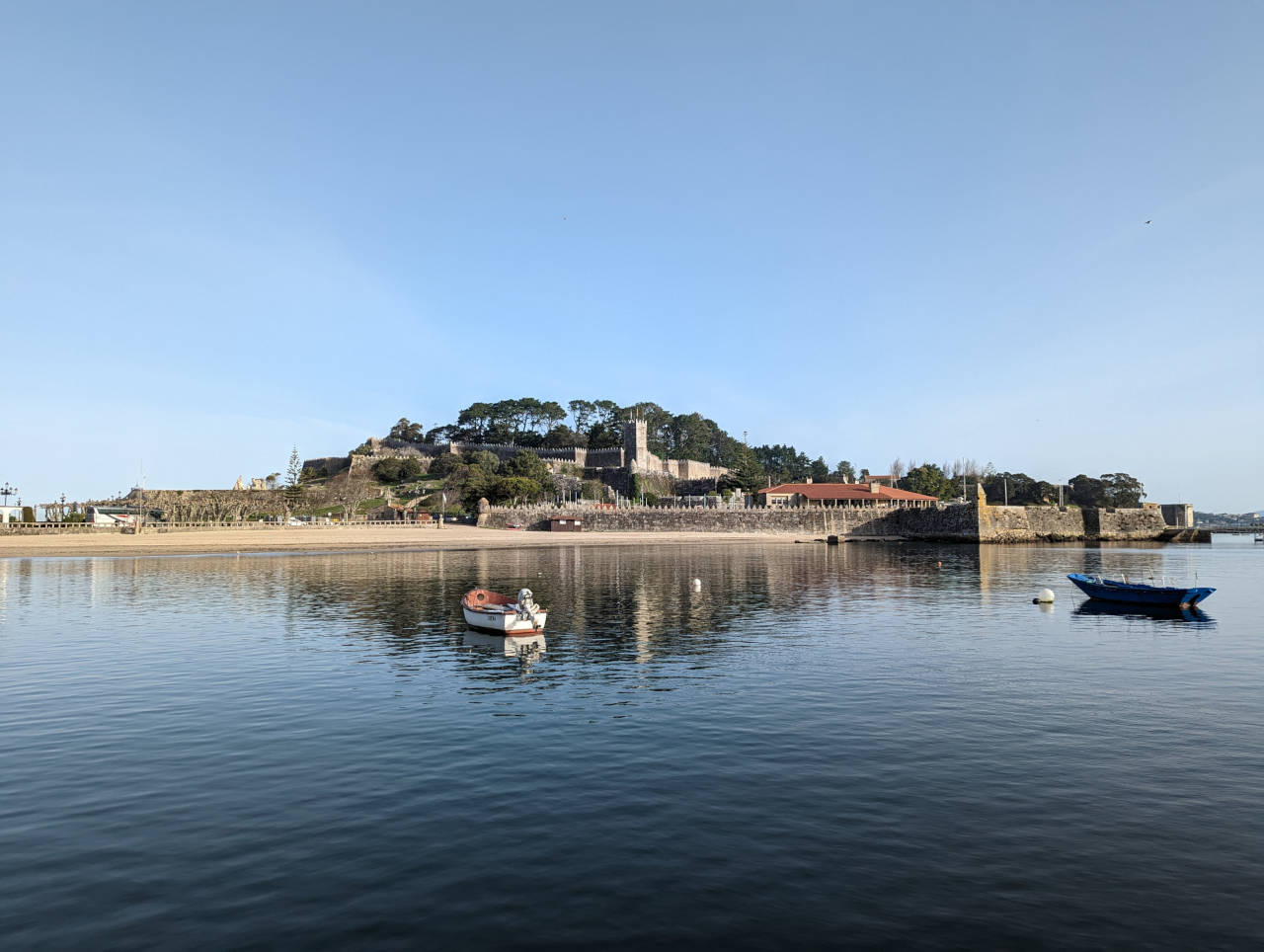
En Caminha, los peregrinos cruzan el Miño en barco para entrar en Galicia y continúan por A Guarda, Baiona y Vigo. El Camino de la Costa se une a la ruta Central en Redondela, y desde allí ambos siguen el mismo Camino hasta Santiago.
Lugares de interés del Camino Portugués de la Costa

Porto
Oporto se desarrolló en torno a la colina que se alza sobre el Duero, donde tomaron forma la ciudad medieval y su catedral. El nombre Portucale, utilizado para designar Oporto y el territorio circundante durante la Alta Edad Media, acabó dando nombre a Portugal.
Su situación en el punto practicable más bajo para cruzar el Duero convirtió Oporto en un paso entre el norte y el sur de Portugal. Para los peregrinos que llegaban desde el sur, el camino subía desde el río por la ciudad medieval antes de continuar hacia el norte, rumbo a Santiago de Compostela.
Hoy Oporto es uno de los principales puntos de partida del Camino Portugués Central y del Camino Portugués de la Costa.

Viana do Castelo
Afonso III concedió a Viana da Foz do Lima un foral (fuero) en 1258 y estableció así la villa en la desembocadura del río Lima. El comercio marítimo prosperó durante los siglos XV y XVI, y los ricos comerciantes y armadores legaron los edificios manuelinos y renacentistas que aún caracterizan el centro histórico.
Más adelante, Viana se convirtió en un puerto importante para la flota bacaladera portuguesa y desarrolló una destacada industria de construcción naval. En 1848, María II le otorgó la categoría de ciudad y le dio su nombre actual, Viana do Castelo.

Vigo
Vigo siguió siendo una villa pesquera amurallada relativamente pequeña hasta el siglo XIX. Desde finales del siglo XVIII, empresarios catalanes desarrollaron negocios de salazón de sardina y, más tarde, de conservas. Contribuyeron así al crecimiento del puerto pesquero, los astilleros y la ciudad industrial moderna.
Durante la Guerra de la Independencia, un levantamiento local expulsó de Vigo a la guarnición francesa que ocupaba la villa el 28 de marzo de 1809. El acontecimiento, conocido como la Reconquista, contribuyó a que Vigo recibiera el título de ciudad al año siguiente y se recrea cada mes de marzo en el Casco Vello.

Pontevedra
Pontevedra es la capital de la provincia de Pontevedra, aunque Vigo es más grande. Su nombre procede de Ponte Veteri («puente viejo»), el paso romano sobre el río Lérez que precedió a la actual Ponte do Burgo.
Durante los siglos XV y XVI, Pontevedra fue el principal puerto de las Rías Baixas, gracias a la pesca, la salazón y el comercio marítimo. Gran parte de esta riqueza se concentraba en A Moureira, el barrio marinero cuyo Gremio de Mareantes ayudó a financiar la Basílica de Santa María a Maior.

Santiago de Compostela
Santiago de Compostela se desarrolló en torno a una tumba que el obispo Teodomiro identificó a comienzos del siglo IX como la del apóstol Santiago, aunque esta atribución se basa en la tradición religiosa y no en pruebas históricas. El rey Alfonso II de Asturias viajó hasta el lugar y ordenó construir una iglesia sobre la tumba. Así contribuyó a establecer la peregrinación que marcaría la ciudad durante siglos. La construcción de la actual catedral románica comenzó en 1075. A su alrededor creció una ciudad medieval que atendía a los peregrinos llegados de toda Europa.